Plant Pollination
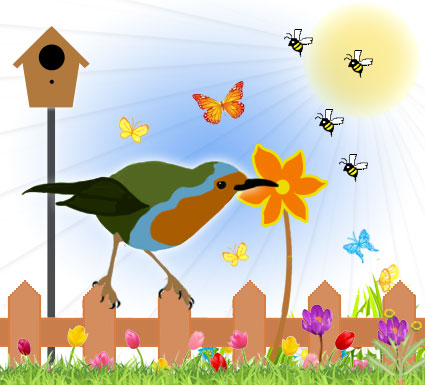
Without pollinators, most ecosystems would collapse, resulting in food shortages and the extinction of the majority of plant species.
Pollination is the transfer of pollen from a male anther source to the female flower's reproductive organ, known as the pistil. This is essential for plant reproduction. The two main types are self-pollination (within the same plant), and cross-pollination (between different plants of the same species), which are achieved through live agents (birds, mammals, and insects), and non-living agents (wind and water).
When considering the most common pollinators, people automatically think of honey bees. And it's true that honey bees play a big role in transporting pollen from one flower to another, but did you know that birds aid in the pollination of plants too?
When pollination is carried out by birds, the term used to refer to it is ornithophily. Pollination of flowering plants is common among a few unique species, and one example is the smallest bird in the world - the bee hummingbird. A few other notable pollinators are sunbirds and spidereaters, both are relatively small in size with very long bills. By placing a safe structure somewhere in nature, whether it's enclosed or an open platform, you are enabling the motherbird to lay her eggs and raise her young. Subsequently, more pollinators will visit your neighborhood, essentially enhancing the pollination process for your flowers, vegetable plants and fruit trees. Invite avian pollinators to your geographical area by creating a pollinator friendly habitat in your yard or garden.
Next,. Seed Dispersal»